Inglés
 Español
Tribes and the Makonde Community: Creating Through Respect
Tribes and the Makonde Community: Creating Through Respect
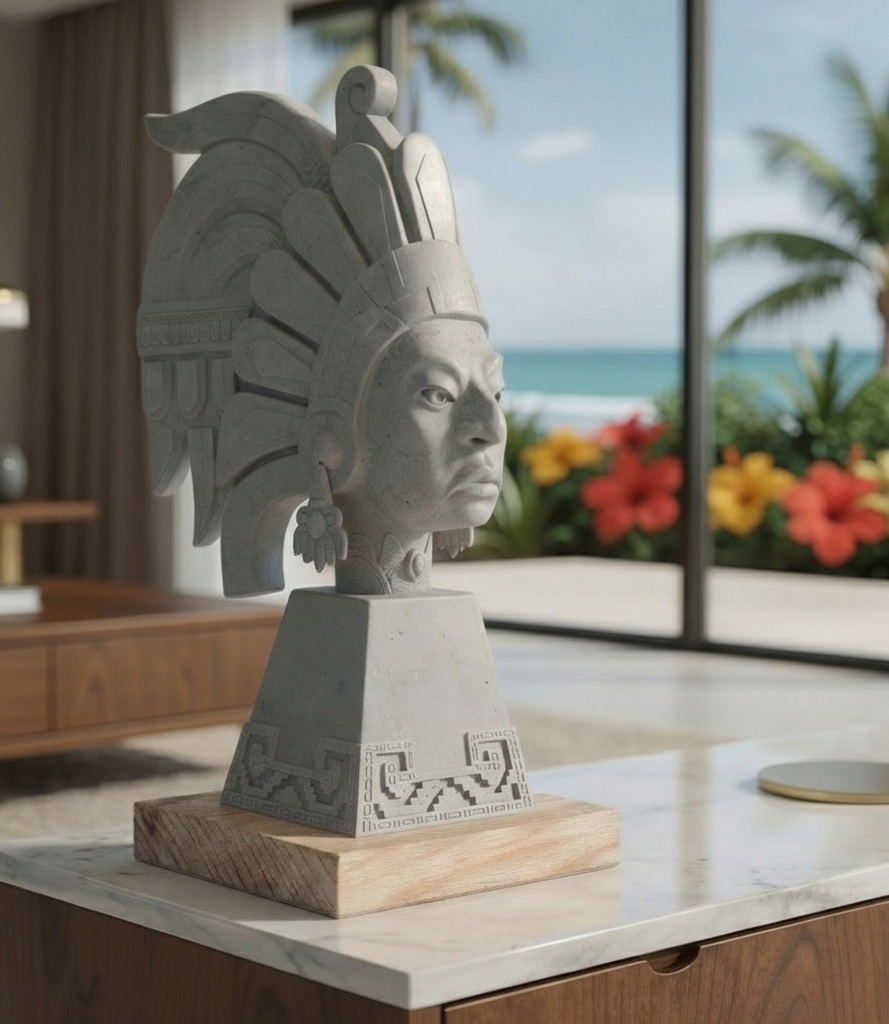
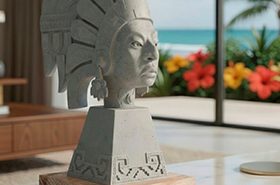
At Concretable, we believe that design does not emerge in a vacuum. Every form, every material gesture, and every aesthetic decision has a cultural origin, whether acknowledged or not. The Tribes collection arises from this conviction: to look toward ancestral cultures not to imitate them, but to learn from their understanding of matter, time, and the meaning of objects.
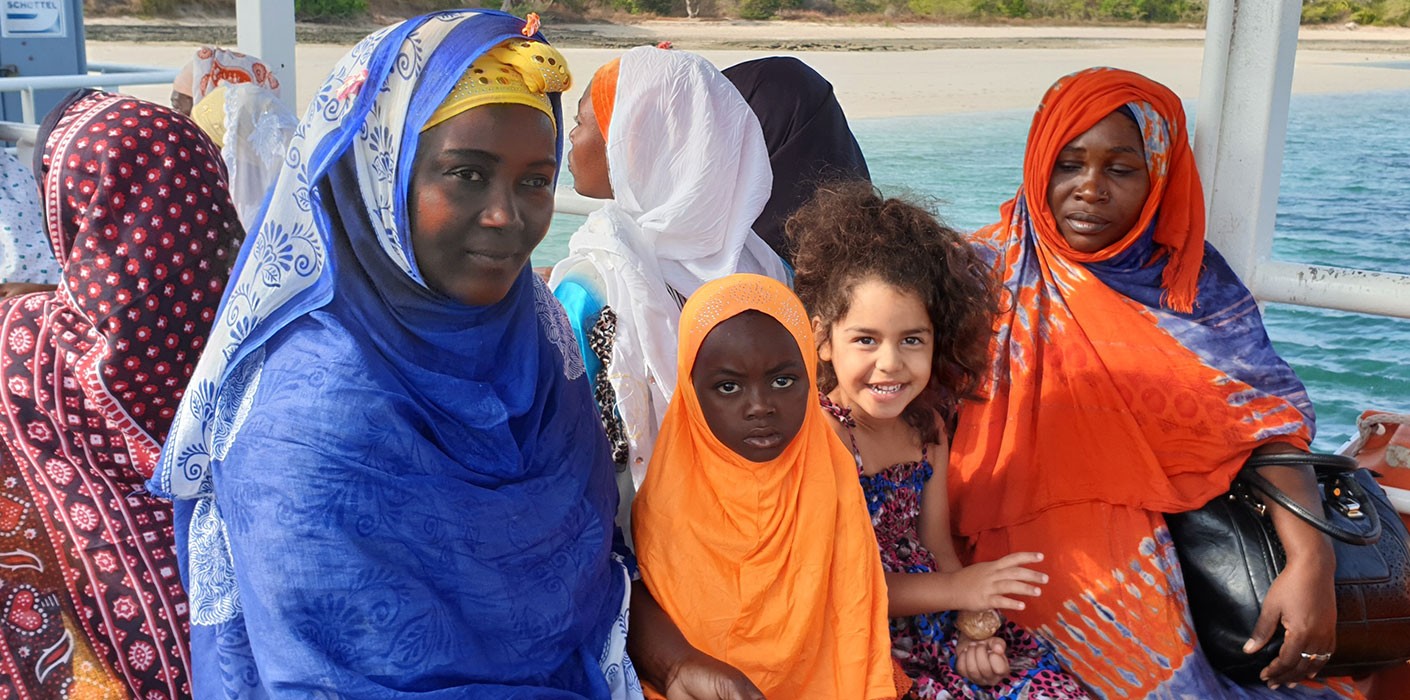
Among these cultures, the Makonde community, located primarily in the Mtwara region in southern Tanzania, holds a special place. The Makonde are internationally recognized for their wood carving tradition—a practice deeply rooted in identity, spirituality, and the transmission of knowledge across generations. Their sculptures are not decorative objects in the Western sense: they are carved narratives, collective memory embodied in matter. The Tribes series does not replicate or copy Makonde forms. It neither could nor should. What interests us lies deeper: their relationship with material, their way of giving meaning to everyday objects, and their understanding of craftsmanship as a cultural act rather than a purely productive one. It is within this quiet dialogue between distant cultures that the collection takes shape.
This cultural legacy, however, coexists today with a complex reality.
Like many traditional communities, the Makonde face structural challenges in navigating the contemporary world without losing their identity. Limited access to formal education, linguistic barriers, restricted healthcare resources, and limited access to new technologies significantly affect opportunities for women, men, and children.
In many rural areas of Mtwara, schooling is irregular, educational resources are scarce, and early dropout is common. The distance between communities and medical facilities can turn treatable conditions into critical situations. This is compounded by a technological gap that limits access to information, training, and exchange networks in an increasingly interconnected world. These challenges do not define the Makonde community, but they do shape its present and its future. And it is precisely here that any responsible cultural engagement must pause and reflect.
Because inspiration, if it is honest, cannot be a one-way path.
For this reason, Concretable has committed to allocating 5% of the profits generated from the Tribes collection to a direct collaboration project with the Makonde community in Mtwara. Not as a symbolic gesture, but as a concrete and ongoing action. This initiative will focus on facilitating access to tools and working resources that are difficult to obtain locally, with the aim of improving efficiency, safety, and the quality of artisanal processes—without altering their essence. It is not about introducing external models or mechanizing the craft, but about placing better tools in the hands of knowledge that already exists. We believe that supporting craftsmanship does not mean changing it, but providing the conditions for it to endure with dignity. Enabling Makonde artisans to work with greater autonomy, reduce unnecessary physical strain, and expand their creative possibilities is a direct way to strengthen their local economy and their capacity for cultural transmission. This collaboration is conceived from a place of reciprocity and respect—not as a one-time act of assistance, but as a long-term commitment based on mutual recognition between two ways of understanding work, material, and time. In a globalized world where images travel faster than meaning, such commitments become essential. Designing with inspiration from ancestral cultures implies a cultural responsibility: to acknowledge the origin of ideas, to avoid superficial appropriation, and to generate real impact beyond the final object.
For Concretable, Tribes is not simply a collection of concrete pieces. It is a statement of intent. A way of understanding design as a bridge between geographies, generations, and ways of inhabiting the world. A reminder that matter can also be a place of encounter. To create with meaning is to leave a trace.
But also to understand where, how, and with whom that trace is made.